Gioachino Rossini
29 February 1792 — 13 November 1868
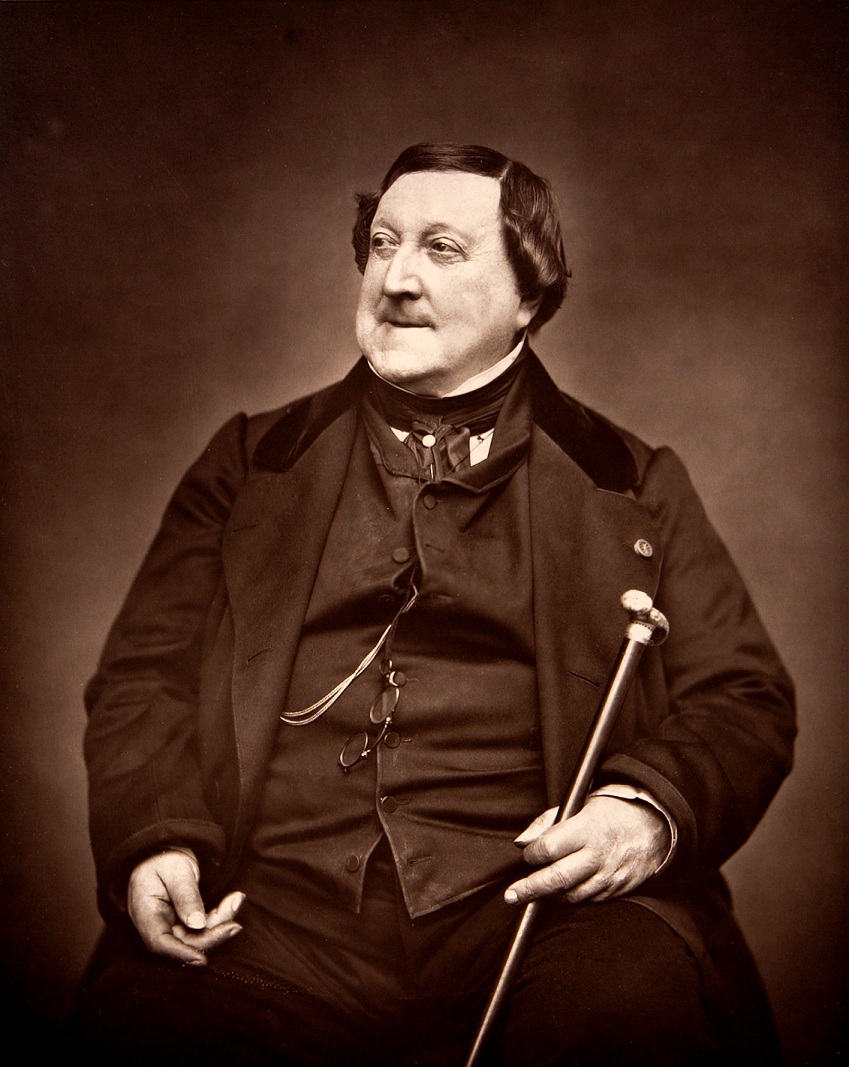
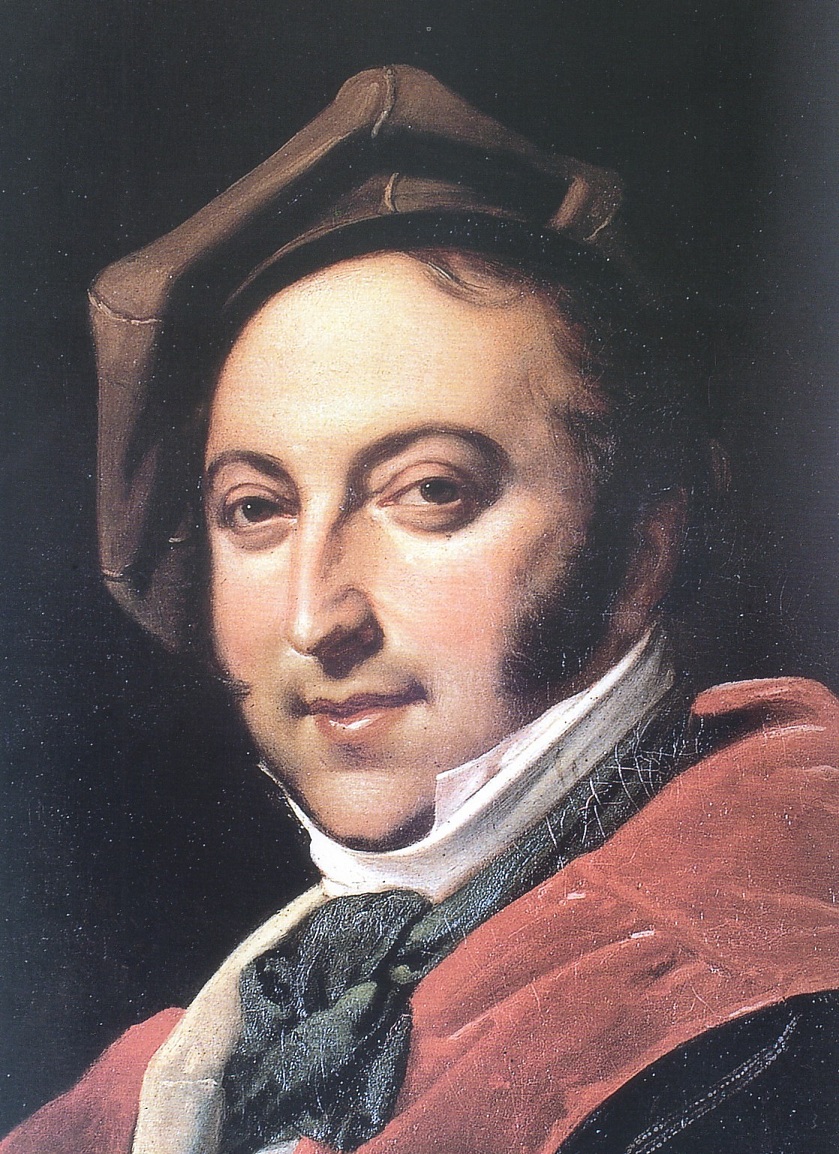
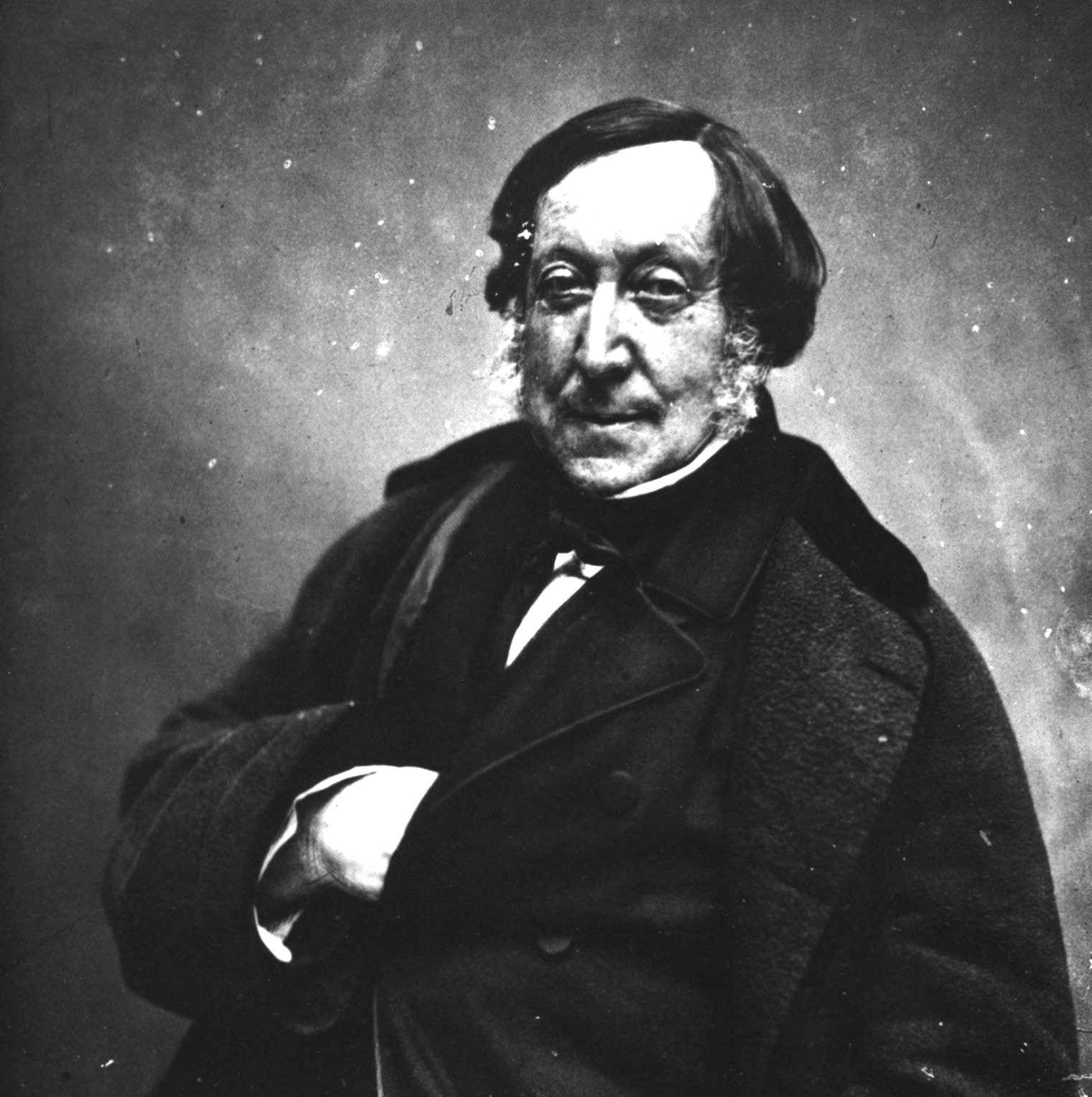
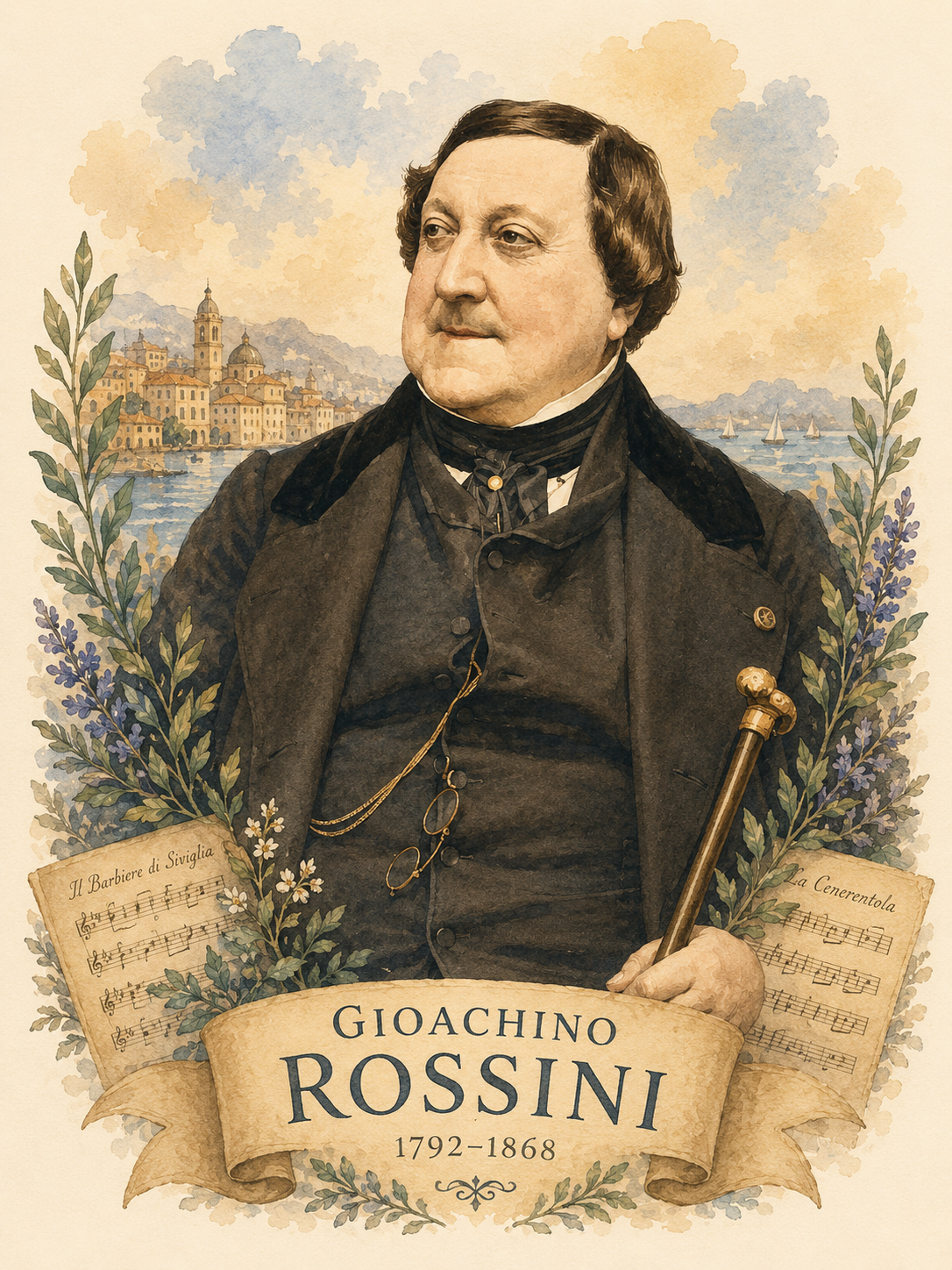
Gioachino Antonio Rossini (Giovacchino Antonio Rossini in the baptismal certificate (29 February 1792 – 13 November 1868) was an Italian composer who wrote 39 operas as well as sacred music, chamber music, songs, and some instrumental and piano pieces. His best-known operas include the Italian comedies Il barbiere di Siviglia (The Barber of Seville) and La Cenerentola and the French-language epics Moïse et Pharaon and Guillaume Tell (William Tell). A tendency for inspired, song-like melodies is evident throughout his scores, which led to the nickname "The Italian Mozart". Until his retirement in 1829, Rossini had been the most popular opera composer in history.
Operas
| Opera | Premiere or date of written | Libretti available |
|---|---|---|
| Il turco in Italia | 1814, August 14 | italian, german, english, french |
| Il barbiere di Siviglia | 1816, February 20 | italian, german, english, french |
| Armida | 1817, November 11 | italian, english |
| Guillaume Tell | 1829, August 3 | french, english, italian |
History
- February 6, 1813 — World premiere (first performance) of Gioachino Rossini’s opera "Tancredi" at Teatro La Fenice (Venice).
- January 25, 1817 — Gioachino Rossini’s opera "La Cenerentola" ("La bontà in trionfo") premiered at the Teatro Valle in Rome.
- July 1, 1819 — Rossini's "L'inganno felice" received its first UK performance at the King's Theatre, Haymarket, London.
- February 3, 1823 — World premiere (first performance) of Gioachino Rossini’s opera "Semiramide" at Teatro La Fenice (Venice).
- June 5, 1823 — Rossini’s "Ricciardo e Zoraide" was first performed at the King’s Theatre Opera House in London.
- March 26, 1827 — "Moïse et Pharaon" (Rossini) premiered at the Salle Le Peletier (Paris Opéra).
- May 8, 1829 — The premiere of Gioachino Rossini's opera "Le comte Ory" took place at the Paris Opéra.
- August 3, 1829 — Gioachino Rossini's final opera, "Guillaume Tell", received its world premiere at the Paris Opéra.
- August 16, 1846 — Composer Gioachino Rossini married his second wife, the artist's model Olympe Pélissier.
- April 7, 1847 — Covent Garden reopened as the Royal Italian Opera with a performance of Rossini’s "Semiramide".
- April 15, 2025 — Performance of Rossini's 'Il Barbiere di Siviglia' at the Metropolitan Opera in New York City.
- May 4, 2025 — Performance of Rossini's 'Il barbiere di Siviglia' at Opéra Nice Côte d'Azur in Nice, France.
- May 4, 2025 — Minnesota Opera performs Rossini's 'The Barber of Seville' at the Ordway Center for the Performing Arts in St. Paul.
- May 4, 2025 — Casa Italiana in Los Angeles presents Puccini's 'La Bohème' with full orchestra and staging.