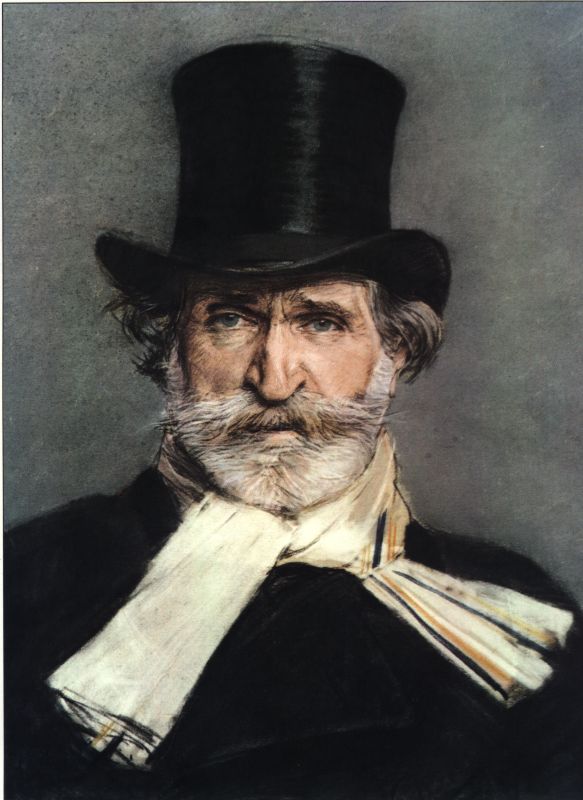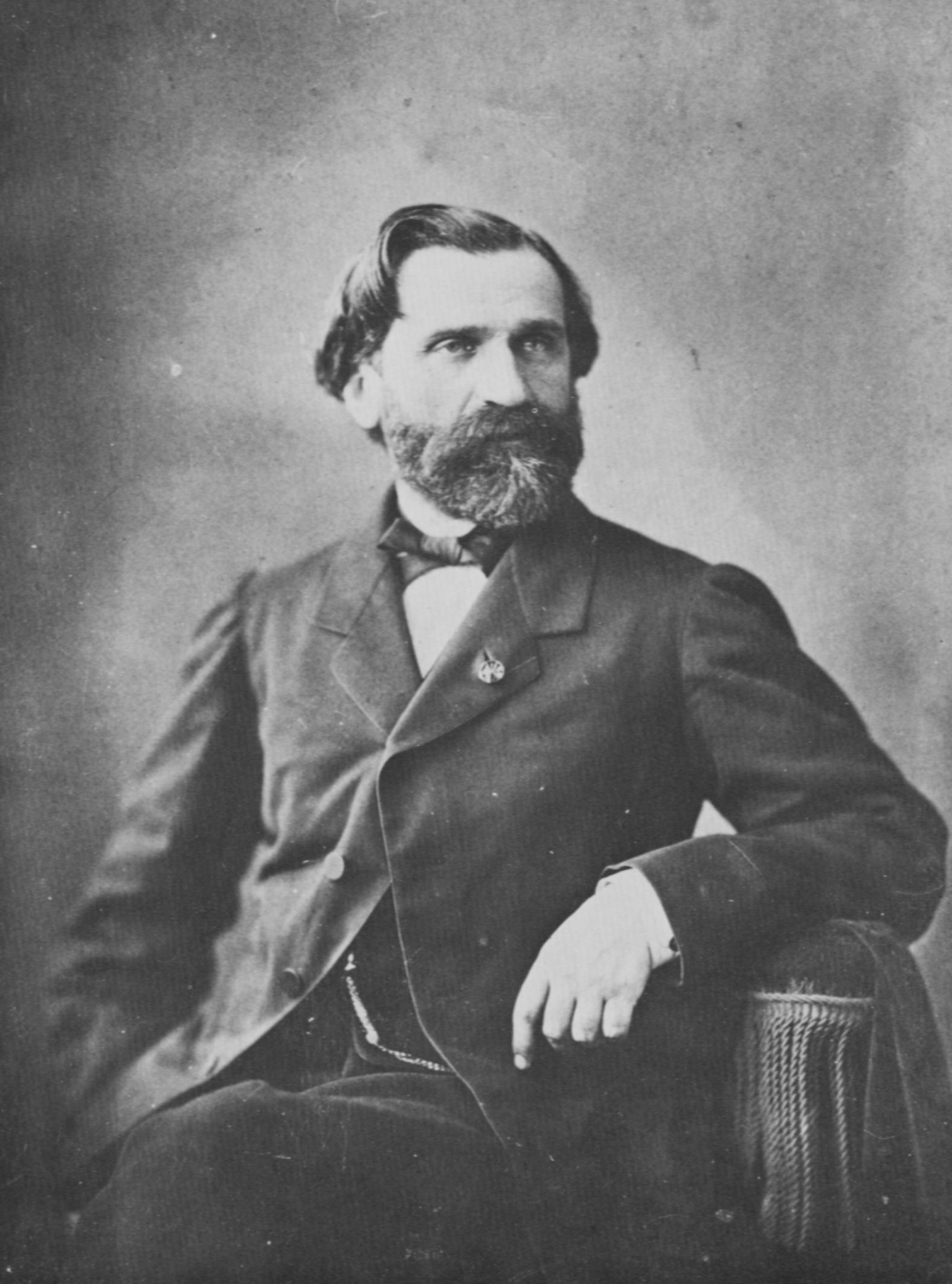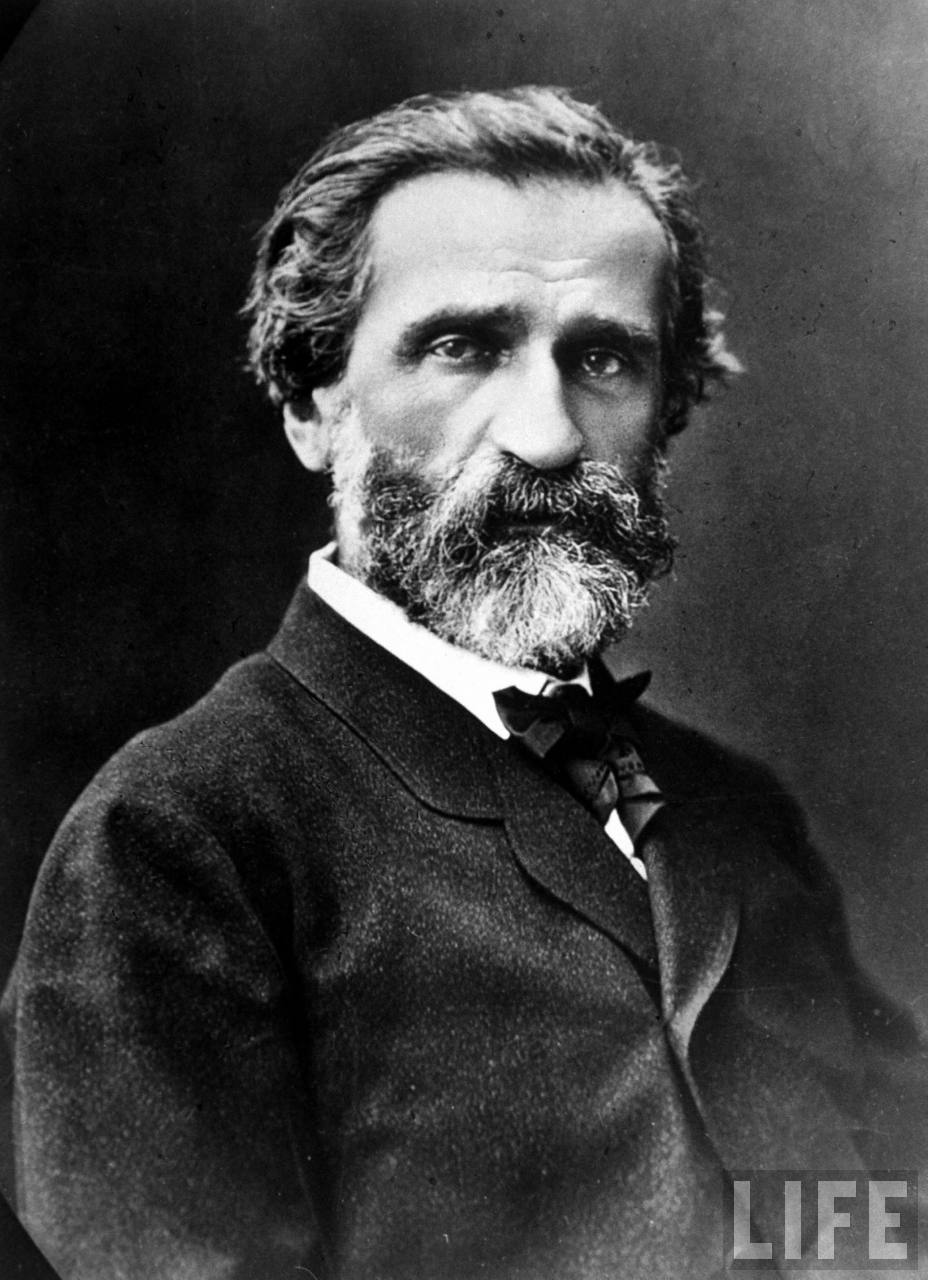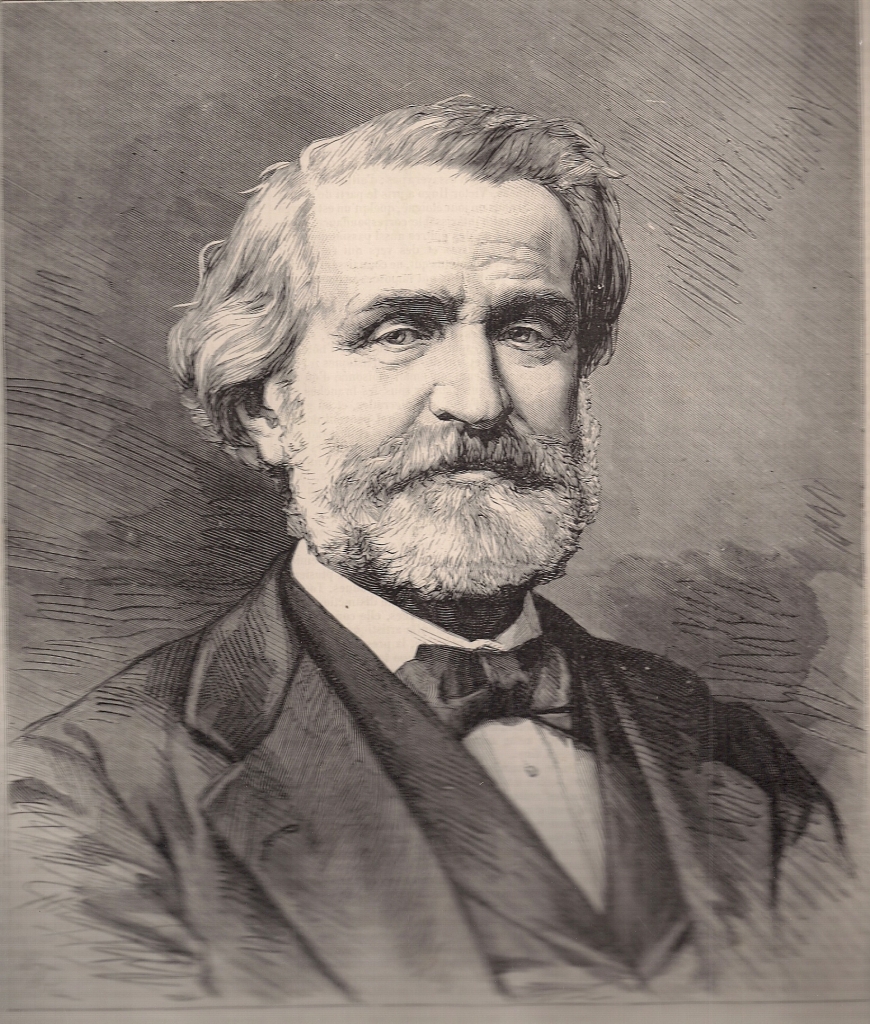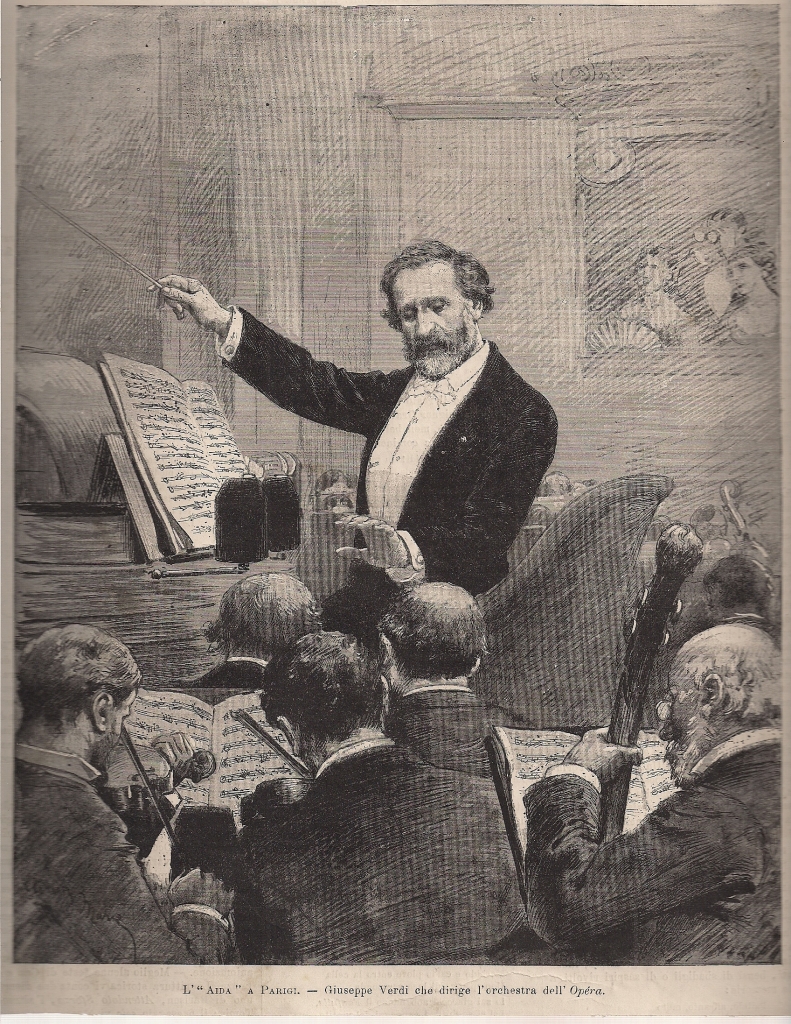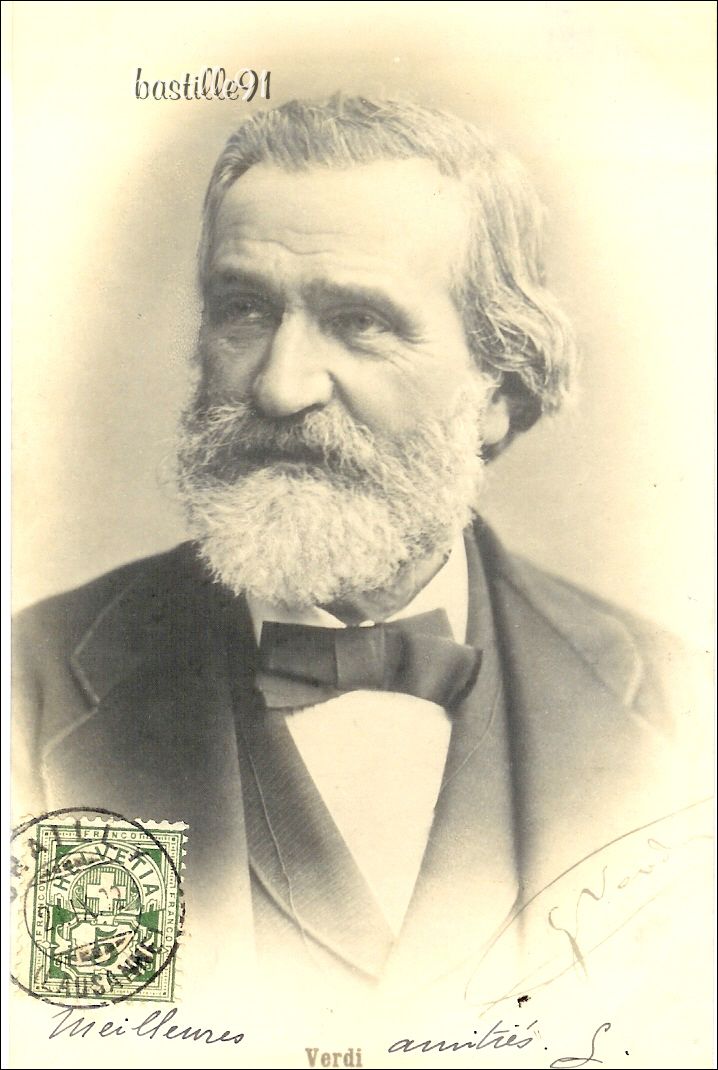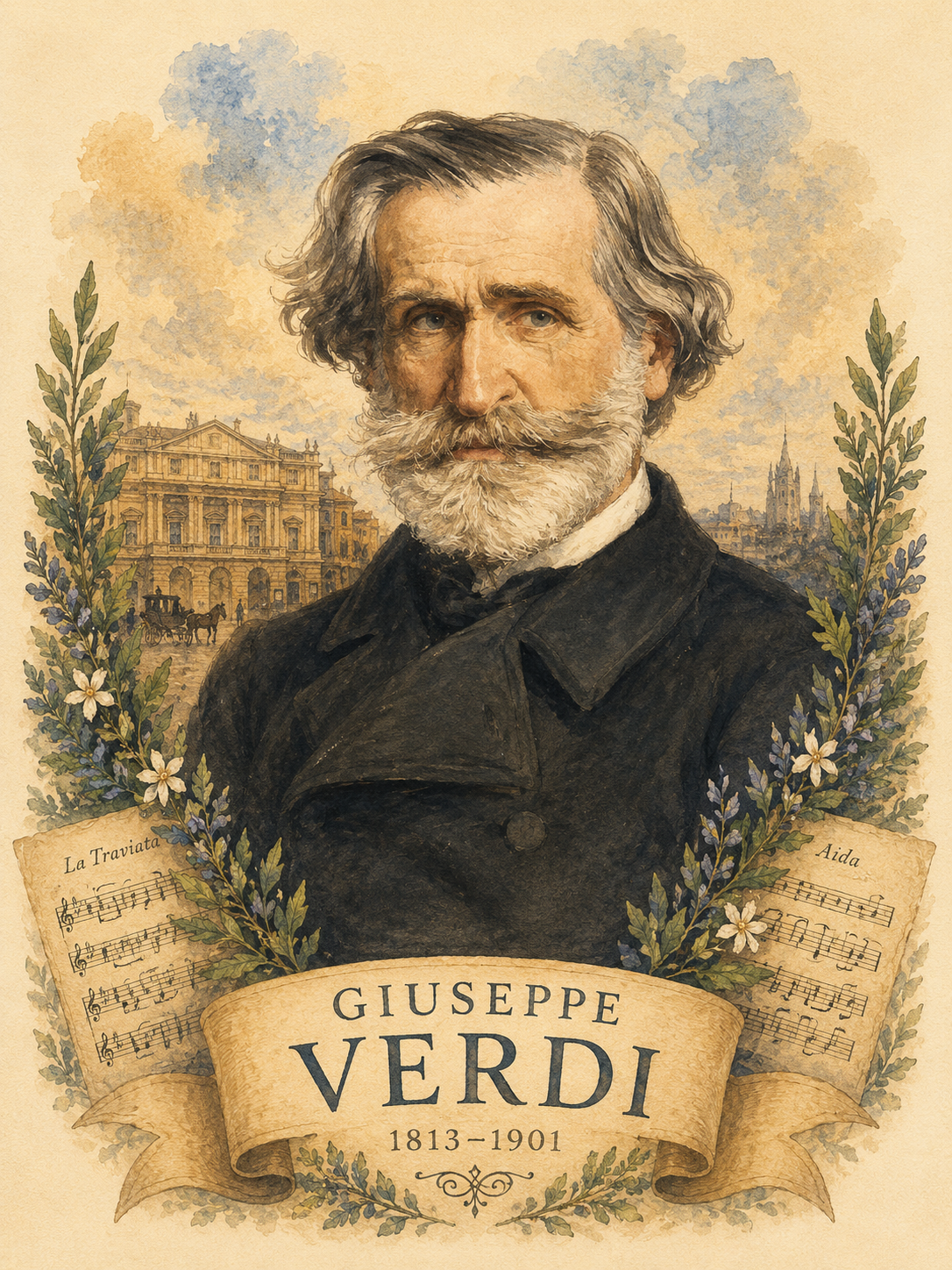
Giuseppe Verdi
Giuseppe Verdi (10 October 1813 – 27 January 1901) was the leading Italian opera composer of the nineteenth century and one of the most influential figures in the history of opera. During a career spanning more than fifty years, he transformed Italian musical drama through his gift for memorable melody, powerful characterization, and dramatic intensity.
Verdi's operas include some of the most enduring works in the repertoire, among them Nabucco, Rigoletto, Il trovatore, La traviata, Don Carlos, Aida, Otello, and Falstaff. Many of their melodies have become famous far beyond the opera house, including "Va, pensiero" from Nabucco, "La donna è mobile" from Rigoletto, and the drinking song "Libiamo ne' lieti calici" from La traviata.
A central figure of the Romantic era, Verdi combined emotional immediacy with exceptional theatrical instinct. His operas explore themes of love, political oppression, personal sacrifice, jealousy, and redemption, often portraying complex characters facing profound moral and emotional conflicts. By the end of his life, he had become a national cultural icon in Italy, and his works continue to be among the most frequently performed operas worldwide.
Operas
| Opera | Premiere or date of written | Libretti available |
|---|---|---|
Rigoletto  |
1851, March 11 | italian, german, english, french |
| Il trovatore | 1853, January 19 | italian, german, english, french |
| La traviata |
1853, March 6 | italian, german, english, french |
| Les vêpres siciliennes | 1855, June 13 | italian |
| Un ballo in maschera | 1859, February 17 | italian, german, english, french, russian |
| La forza del destino | 1862, November 22 | italian, german, english, french, russian |
| Aida |
1871, December 24 | italian, german, english, french |
| Otello | 1887, February 5 | italian, german, english, french |
| Falstaff | 1893, February 9 | italian, english |
History
- April 10, 1813 — Italian composer Giuseppe Verdi, one of the central figures of opera history and creator of works such as "La traviata", "Aida", and "Otello", was born in Le Roncole.
- March 9, 1842 — Giuseppe Verdi’s opera "Nabucco" premieres at Teatro alla Scala in Milan.
- May 3, 1842 — The premiere of Giuseppe Verdi's opera "Nabucco" took place at La Scala in Milan, marking his breakthrough success.
- March 9, 1844 — Giuseppe Verdi’s opera "Ernani" premieres at Teatro La Fenice in Venice.
- March 17, 1847 — World premiere of Giuseppe Verdi’s "I masnadieri" at Her Majesty’s Theatre in London.
- April 11, 1847 — The revised version of Verdi's "Macbeth" was first performed in Florence, representing a significant reworking of the original 1847 score.
- March 11, 1851 — Giuseppe Verdi’s "Rigoletto" received its world premiere at Teatro La Fenice in Venice.
- January 19, 1853 — Giuseppe Verdi’s opera "Il trovatore" premiered at the Teatro Apollo in Rome.
- March 6, 1853 — First performance of Giuseppe Verdi's "La traviata" at Teatro La Fenice (Venice).
- May 14, 1853 — "Rigoletto" received its Royal Opera House premiere at the Royal Italian Opera, Covent Garden.
- April 29, 1854 — Premiere of Giuseppe Verdi's opera 'Il Trovatore' at Teatro Apollo in Rome.
- April 14, 1855 — The premiere of Verdi's "Les vêpres siciliennes" took place at the Paris Opéra.
- June 13, 1855 — Verdi’s grand opera "Les vêpres siciliennes" received its world premiere at the Paris Opéra.
- May 20, 1856 — Verdi's French revision of "Il trovatore", titled "Le trouvère", was first performed at La Monnaie in Brussels.
- March 11, 1867 — Verdi’s grand opera "Don Carlos" premiered at the Paris Opéra (Salle Le Peletier).
- February 27, 1869 — Revised version of Verdi’s "La forza del destino" was presented at Teatro alla Scala (Milan).
- January 10, 1884 — La Scala premiere of Verdi’s revised 1883 four-act Italian version of "Don Carlos" (often listed as "Don Carlo") at Teatro alla Scala (Milan) on 10 January 1884.
- February 5, 1887 — World premiere (first performance) of Giuseppe Verdi’s opera "Otello" at Teatro alla Scala (Milan).
- March 15, 1888 — Giuseppe Verdi’s "Otello" received its Austrian premiere at the Vienna Hofoper (today’s Wiener Staatsoper).
- July 5, 1889 — Verdi's "Otello" received its first UK performance at the Lyceum Theatre, London.
- April 2, 1890 — The revised four-act version of Verdi’s "Don Carlos" received a performance at La Scala in Milan, representing an important stage in the opera’s evolving performance history.
- May 19, 1894 — First UK performance of Giuseppe Verdi's final opera, 'Falstaff', with Arturo Pessina in the title role.
- February 4, 1895 — "Falstaff" (Giuseppe Verdi) was first performed at the Metropolitan Opera (New York).
- January 27, 1901 — Italian opera composer Giuseppe Verdi died in Milan.
- May 4, 2025 — Opera Colorado presents Verdi's 'Il Trovatore' in concert at the Ellie Caulkins Opera House in Denver.